Majestic, SPA & Heal
Benefits of TCM
TCM
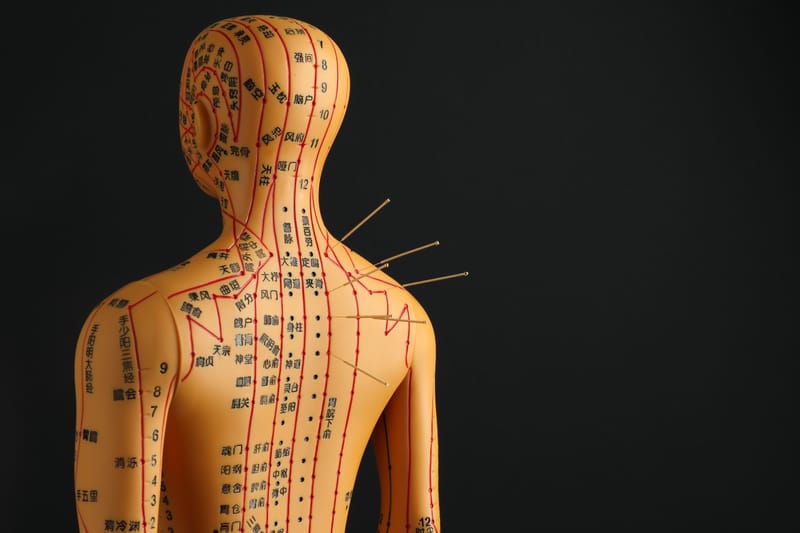
1. Traditional Chinese Medicine Theory: Regulating Qi, Blood, and Yin-Yang Balance Traditional Chinese medicine believes that acupuncture works by stimulating specific points on the body (acupoints) to adjust the flow of qi and blood in the organs: Unblocking meridians: Meridians are the pathways through which qi and blood flow and connect the organs and limbs. When these channels are blocked ('no flow, then pain'), acupuncture can break the blockage and restore smooth circulation of qi and blood. Balancing yin and yang: Diseases basically occur due to an imbalance between yin and yang in the body. By following the principle of supplementing deficiency and reducing excess, acupuncture helps the overactive or underactive organ functions return to a dynamic balance. Supporting the body's defenses and expelling pathogens: Acupuncture enhances the body's resistance to disease (vital energy) while promoting the expulsion of internal pathogens (like wind, cold, dampness, heat, etc.). 2. Modern Medical Mechanisms: Neuro-Endocrine-Immune Regulation Network Modern medicine, through studies in physiology and neuroanatomy, has found that acupuncture stimulation triggers multiple biological responses: 1. Nerve conduction and pain relief mechanisms (Gate Control and Endorphins) Signal activation: Acupuncture stimulates receptors, with signals traveling along afferent nerves (like Aα/β or Aδ fibers) to the spinal cord and brain. Endogenous pain relief: This stimulation prompts the pituitary and central nervous system to release natural pain-relieving substances like endorphins. Gate control: Signals from coarse nerve fibers can block pain signals carried by finer spinal fibers, thus reducing the perception of pain. 2. Local microcirculation and tissue repair The tiny physical injury from acupuncture causes local blood vessels to dilate, releasing substances like vasopressin and calcitonin gene-related peptide (CGRP), which increase local blood flow and promote absorption of inflammatory factors and tissue repair. 3. Fascia and mechanical signal transduction Acupoints are usually located in areas rich in connective tissue (like muscle-fascia junctions). When the needle is inserted and twisted (achieving Deqi), collagen fibers wrap around the needle, converting mechanical tension into biochemical signals that spread to surrounding tissues. 4. Autonomic nervous system and visceral regulation Through somatovisceral reflex arcs, stimulating specific areas on the body's surface can regulate vagus or sympathetic nerve activity, affecting gastrointestinal motility, heart rate, blood pressure, and endocrine gland secretion. 一、 传统中医理论:调理气血与阴阳平衡 中医认为,针灸通过刺激人体特定表面部位(穴位),调整脏腑气血的运行: 疏通经络:经络是人体运行气血、联络脏腑肢节的通路。当经络阻滞不通时(“不通则痛”),针刺能打破淤滞,恢复气血顺畅。 调和阴阳:疾病的发生本质上是体内阴阳失衡。针灸根据补虚泻实的原则,使偏盛或偏衰的脏腑功能重新恢复动态平衡。 扶正祛邪:增强机体的抗病能力(正气),同时促进体内邪气(如风、寒、湿、热等)的排出。 二、 现代医学机制:神经-内分泌-免疫调节网络 现代医学通过生理学和神经解剖学研究发现,针刺刺激会引发多层面的生物学反应: 1. 神经传导与镇痛机制(闸门控制与内啡肽) 信号激活:针刺刺激感受器,信号沿传入神经(如Aα/β或Aδ纤维)传至脊髓和大脑。 内源性镇痛:刺激促使脑下垂体和中枢神经系统释放内啡肽(Endorphins)、脑啡肽等天然止痛物质。 闸门控制:粗神经纤维传导的针感信号可阻断脊髓中细纤维传导的痛觉信号,从而阻断疼痛感知。 2. 局部微循环与组织修复 针刺造成的微小物理损伤会促使局部血管扩张,释放加压素、降钙素基因相关肽(CGRP)等物质,增加局部血流量,促进炎症因子吸收与组织修复。 3. 筋膜与机械信号转导 穴位通常位于结缔组织密集处(如肌肉与筋膜交界点)。针尖进针与拧转(得气)时,胶原纤维会缠绕针体,将机械张力转化为生物化学信号,向周围组织扩散。 4. 自主神经与内脏调节 通过体表-内脏反射弧(Somatovisceral Reflex),刺激特定体表区域可调节迷走神经或交感神经活动,进而影响胃肠蠕动、心率、血压及内分泌腺体分泌。
Benefits of Moxibustion (艾灸)
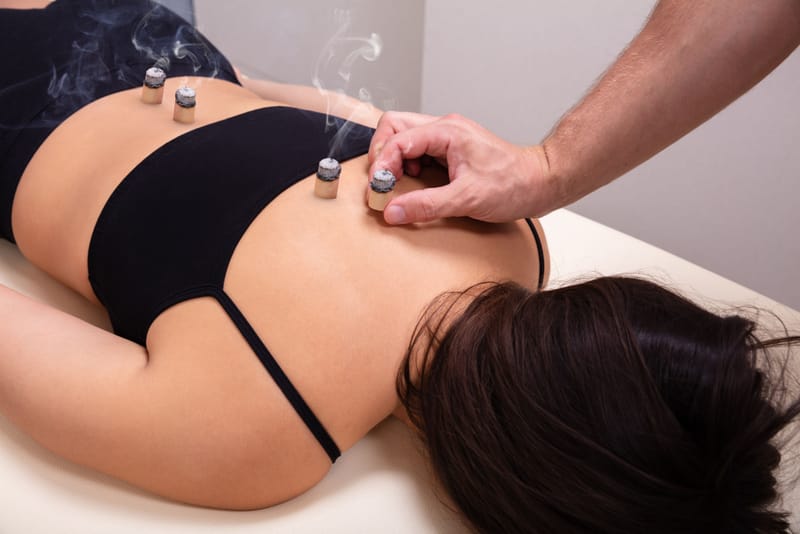
Moxibustion, an ancient Chinese healing practice, involves burning dried mugwort (Artemisia vulgaris or moxa) near or on the skin to warm specific acupoints. This gentle, penetrating heat is believed to stimulate Qi (vital energy) and blood circulation, expel cold and dampness, and restore the body’s yin–yang balance. 艾灸是一種古老的中醫療法,主要是將乾燥的艾草(俗稱艾絨或艾條)燃燒後,靠近或直接放在皮膚上的特定穴位。這種溫和而深入的熱度據說可以刺激氣血運行,驅寒除濕,並調整身體的陰陽平衡。
Learn More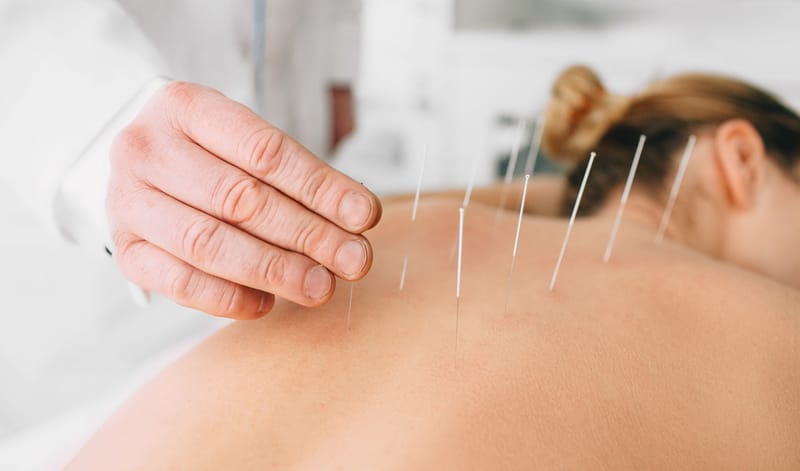
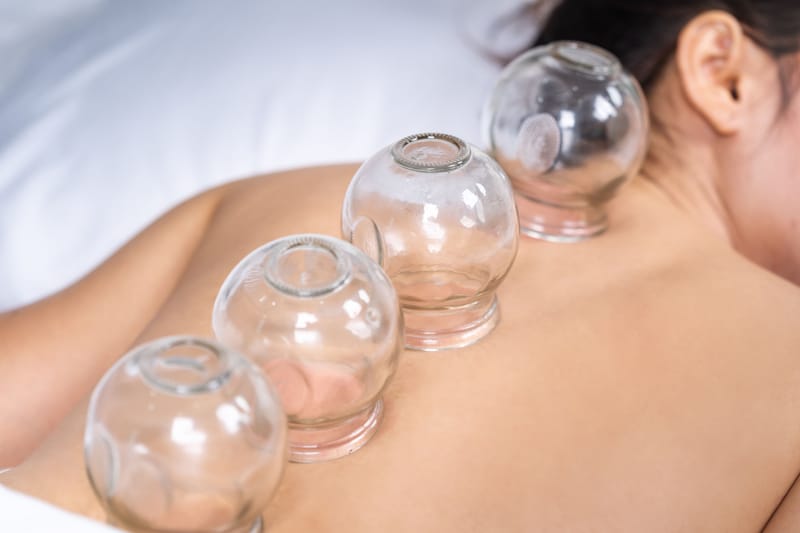
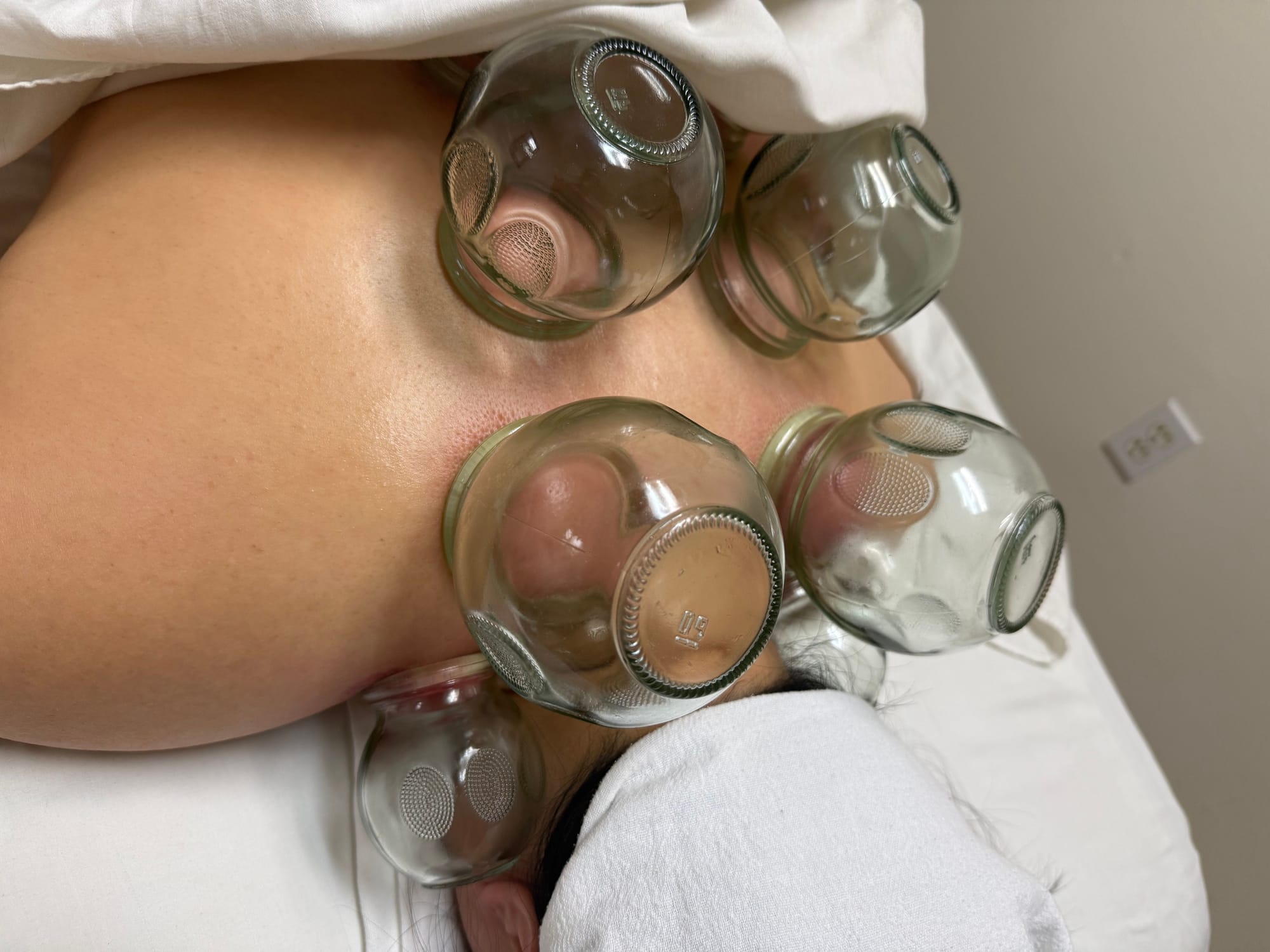
Many people who've had cupping therapy report that it:
Reduces pain & inflammation. Decreases muscle tightness. Improves blood flow. Increases range of motion.
Learn More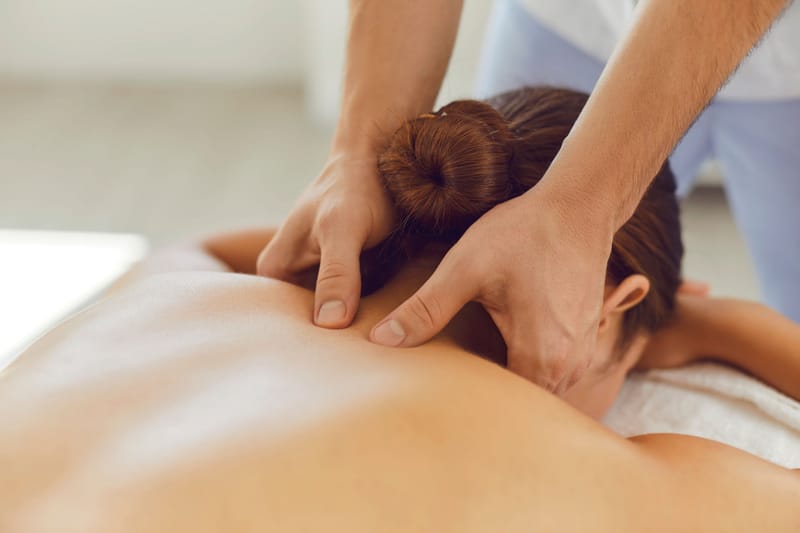
Acupressure benefits are:
achieved by using pressure points along the energy pathways in the body to encourage the free flow of energy, or qi 氣.
Learn More傳統中醫療法,包括針灸、拔罐、推拿、艾灸及中草藥療法。
Acupoints has been shown to influence the central nervous system, promoting the release of neurotransmitters & enhancing the body's natural healing processes.
研究表明,穴位可以影響中樞神經系統,促進神經傳導物質的釋放,增強身體的自然癒合過程。
TCM advocates moving to nourish the body, utilize energy without fatigue, using labor, dancing, walking, guidance, TuiNa, etc., to move the body, harmonize qi & blood, dredge the meridians, benefit the nine tips, prevent diseases & stay fit and strong.
中醫養生學主張動以養形,以形勞而不倦為度,用勞動、舞蹈、散步,導引、推拿等,以運動形體,調和氣血,疏通經絡,通利九竅,防病健身。
Majestic accepts payment by HSA(Health Saving Accounts) or FSA(Flexible Saving Accounts)!!!
Majestic Menu
| F1.30m | Neck & Shoulders Sports Therapy | $65 | 30 minutes |
| T1.60 F1.45m | Full Body Sports, Feet Reflexology, TuiNa 推拿60m or Focus | $85 | 60 minutes |
| T1.75m | Full Body Sports/TuiNa Therapy 推拿75m | $105 | 75 minutes |
| T1.90m | Full Body Sports/TuiNa Therapy 推拿90m | $125 | 90 minutes |
| T2.90m | TuiNa 推拿60m + Feet Reflexology 30m | $125 | 90 minutes |
| M2 | Acupuncture 針灸(电针灸) | $60 | 15 minutes |
| M3.30m | Majestic Neck & Shoulders TuiNa 30 | $80 | 30 minutes |
| M3.60m | Majestic Full Body TuiNa 60 | $120 | 60 minutes |
| M5 | Cupping 拔罐or GuaSha | $60 | 15 minutes |
| M6 | Far Infrared Lamps | $1 | per minute |
| SK1 | Mini Facial Skincare | $75 | 30 minutes |
| SK2 | LED Facial Whitening & Glowing | $150 | 70 minutes |
| M7 | Moxibustion 艾灸 | $80 | 30 minutes |
| M1 | Health Consultation | $40 | |
| Add-on | Hot Stones; Body Scrub; Aromatherapy (Eucalyptus, Tea Tree Essential Oils) | $25~$30 |
P.S. Appointments Only.
Accept payment via HSA (Health Saving Accounts) or FSA (Flexible Saving Accounts).
Location
@Majestic, we help you heal;-) @皇家, 我們治未病.
- Majestic, SPA & Heal
- Located on the 2nd floor inside the Woodbridge Medical (Professional) Building C (Circled 41 Green Label), by the San Diego Creek. Pay via your HSA(Health Saving Accounts) or FSA(Flexible Saving Accounts)!!!
- Sun. : 10:15am-6:30pm Mon.-Fri. : 10:15am~6:30pm Sat. : 10:15am-6:30pm
With Majestic professional knowledge & practical experiences of Traditional Chinese Medicine (TCM), we're here to help you revitalize. Book your sessions from: IrvineMajestic.com MajesticAcupuncture.com or text/call 9498541010 or 9495518600